
What is it like when the region where you live breaks away from your country, and you suddenly find yourself on the wrong side of a new border? This is exactly what happened to Moldovans in Transnistria and Georgians in Abkhazia and South Ossetia in the early 1990s. These were not small communities: Moldovans made up 40 percent of the population of Transnistria, while Georgians accounted for almost half of the population of Abkhazia.
Some offered strong resistance to the separatists, while others offered almost none—not only in different regions, but even within the same region. Dr Keith Harrington of Dublin City University will explain why. According to his research, the answer lies in three factors: whether they constituted a majority in their area, how strong their ethnic identity was, and whether local elites sided with the parent state.
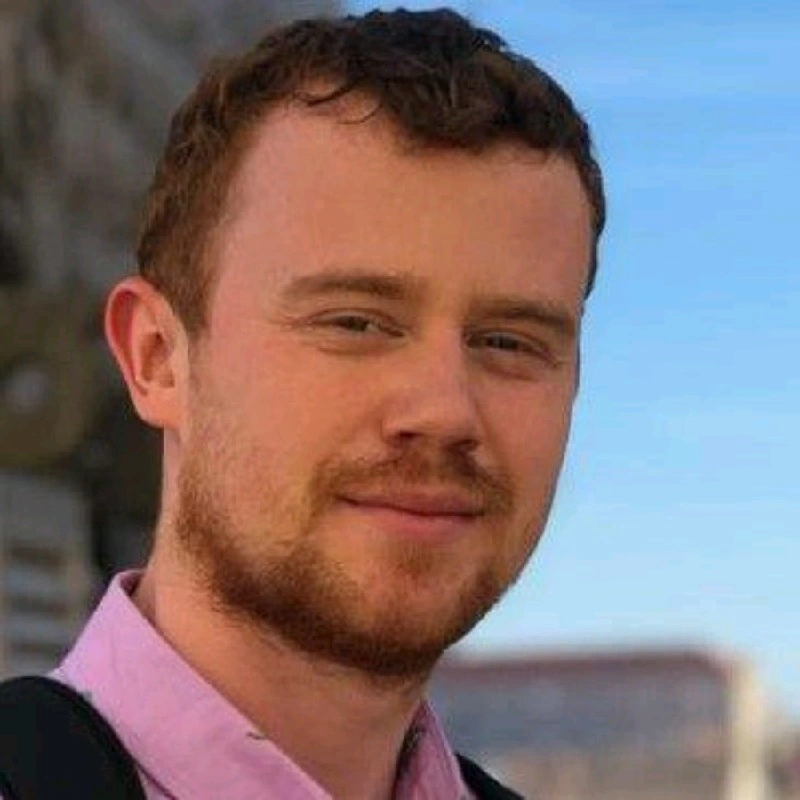
Dr Harrington specialises in nationalism, separatism, and unrecognised states in the post-Soviet space. His doctoral dissertation on the origins of the war in Transnistria received an award from the Society for Romanian Studies. With unrecognised states and separatism once again at the centre of European politics, this is a great opportunity to hear first-hand how it all began.
When: Tuesday, 27 October 2026, at 2:00 p.m.
Where: Department Building, 8th floor, Room 804
Organiser: Centre for Peace and Conflict Studies
The lecture will be held in English. Admission is free, and everyone is welcome, especially students. Come along, listen, and ask questions!